
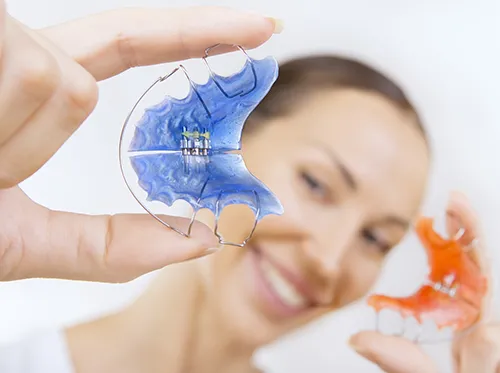
You’ve spent months, maybe even years, working toward your new smile. Now that your braces are off, the last thing you want is for your teeth to shift back. That’s where your retainer comes in. Understanding how long you need to wear it (and why) helps protect everything you’ve achieved through treatment.
What Is a Retainer and Why Do You Need One After Braces?
A retainer is a custom orthodontic appliance designed to hold your teeth in their new, corrected positions after braces come off. It’s the final phase of your orthodontic treatment, and it’s what makes your outcomes last.
Here’s something most people don’t realize: your teeth have memory. They naturally want to drift back toward where they started. Orthodontists call this “orthodontic relapse,” and it happens because the bone and soft tissue surrounding your teeth need time to stabilize and adapt to their new arrangement.
During braces treatment, your teeth moved through bone. That bone needs to fully remodel and harden around your tooth roots in their new locations, and this remodeling process doesn’t happen overnight. Without a retainer holding everything steady, your teeth can shift before that stabilization is complete. Even small movements add up quickly.
Nearly every orthodontic patient needs a retainer, whether you had traditional metal braces, ceramic braces, or clear aligners. The type of treatment doesn’t change the biological reality that teeth tend to move throughout life. Your retainer protects the investment of time, effort, and resources you put into achieving your smile.
At our practice, our board-certified orthodontists emphasize retainer compliance with every patient because proper retention preserves beautiful outcomes over the long term. The American Association of Orthodontists considers retention a critical component of successful orthodontic treatment, and research consistently supports that position.
How Long Do You Actually Need to Wear a Retainer?
Most orthodontists recommend wearing your retainer full-time (20-22 hours per day) for the first three to six months after braces removal, then transitioning to nighttime-only wear indefinitely. Your specific timeline depends on your case complexity and how well your teeth stabilize.
The first year after braces is the highest-risk period for relapse. Studies estimate that roughly half of orthodontic patients experience some degree of relapse without consistent retention, with teeth most prone to shifting during the initial 12 months after active treatment ends. During this time, your board-certified orthodontist will monitor your progress and adjust your retainer schedule based on how your teeth are responding. Some patients can move to nighttime wear sooner; others need full-time wear a bit longer.
Here’s what a typical retainer schedule looks like:
Months 1-3: Full-time wear, removing only to eat and brush your teeth. Your retainer should be in your mouth for at least 20-22 hours daily.
Months 4-6: Depending on stability, you may get the green light to start reducing daytime wear gradually. Your orthodontist will check your progress and let you know when you’re ready.
After the six-month mark, most patients transition to nighttime-only wear. You’ll put your retainer in before bed and wear it while you sleep. Long-term, nighttime wear is typically recommended for life. Yes, that sounds like a long commitment. But wearing a retainer while you sleep is a small habit that keeps your smile straight for decades.
This timeline gets personalized based on factors like your age, the severity of your original misalignment, and how consistently you’ve worn your retainer. Younger patients sometimes need longer full-time wear because their jaws are still developing.
Benefits of Wearing Your Retainer as Directed
Wearing your retainer as directed prevents orthodontic relapse by holding teeth in place while bone stabilizes. It also maintains proper bite alignment, reduces your risk of cavities and gum disease, and eliminates the need for costly retreatment. In short, a retainer is the simplest way to protect your smile for life.
Here are the key benefits, organized by what matters most.
Why Does Retainer Wear Prevent Relapse?
- Your teeth stay in place. The retainer holds them in position while bone fully stabilizes, stopping relapse before it starts.
- Bone remodeling gets the time it needs. The tissue around your tooth roots requires months to fully adapt to new positions. Consistent retainer wear lets bone harden and lock your teeth where they belong.
- Fixing relapsed teeth means more time in braces or aligners, plus additional expense. Retainer wear is far simpler and more affordable than going through treatment a second time.
How Does a Retainer Support Oral Health?
- Keeps your bite aligned. A correct bite reduces strain on your jaw joints and prevents uneven tooth wear over time.
- Supports easier cleaning. Properly spaced teeth are easier to brush and floss, which reduces your risk of cavities and gum disease. When teeth crowd back together, cleaning between them becomes difficult, and plaque builds up in tight spots.
The alternative to wearing your retainer? Watching your teeth gradually crowd or gap again. Many adults who had braces as teenagers and stopped wearing their retainers have experienced this frustration firsthand.
Types of Retainers: Permanent vs. Removable Compared
Not all retainers are the same. Your orthodontist will recommend the type that works best for your specific situation, and some patients use a combination approach. A board-certified orthodontist evaluates each patient’s unique needs, bite pattern, and lifestyle before making a recommendation. The right choice depends on where your teeth are most likely to shift and how well a removable option fits your daily routine.
| Retainer Type | How It Works | Pros | Cons |
|---|---|---|---|
| Hawley Retainer | Wire-and-acrylic design; wire sits across front teeth, acrylic plate rests against roof of mouth or behind lower teeth | Adjustable, very durable, easy to clean, can last for years | Visible wire when worn, may affect speech initially |
| Clear Retainer (Essix/Vivera) | Thin, transparent plastic that fits snugly over all teeth | Nearly invisible, comfortable, no speech impact | May wear out faster, can stain, not adjustable |
| Permanent (Bonded) Retainer | Thin wire bonded to the back of front teeth, stays in place 24/7 | No compliance needed, always working, invisible from front | Requires careful flossing, can break if you bite hard foods |
Hawley Retainers
Hawley retainers have been used for decades. The wire is adjustable, so your orthodontist can make minor tweaks if needed. They’re sturdy and, with good care, can last many years.
Clear Retainers
Clear retainers are popular because they’re discreet. You can wear them without anyone noticing. The plastic can wear down over time, though, and you’ll likely need replacements every few years.
Permanent Retainers
Permanent retainers work well for patients who might forget to wear a removable retainer consistently. Since the wire is bonded behind your teeth, it holds them in place around the clock. The tradeoff is that flossing takes extra effort since you’ll need to thread floss under the wire.
Many orthodontists recommend a permanent retainer on the lower front teeth (where crowding tends to recur most) combined with a removable retainer for the upper teeth. This gives you the security of constant retention where you need it most, plus the flexibility of removable wear elsewhere. Your orthodontist can also help you decide whether a retainer and retention plan using one type or a combination makes the most sense for your smile.
What Affects the Cost of Retainers?
Retainer costs typically range from $100 to $600 per appliance, depending on type, whether they’re included in your treatment plan, replacement frequency, and insurance coverage. Here’s what drives those costs.
Type matters: Permanent retainers typically cost more upfront because they require bonding to your teeth. Hawley retainers generally fall in the $150 to $300 range, clear retainers run $100 to $250, and permanent retainers cost $250 to $600. Clear and Hawley retainers are less expensive initially, but you’ll replace them over time.
Treatment inclusion: Many orthodontic practices include your first set of retainers in the overall treatment fee. Ask your orthodontist what’s included so you understand the full picture before treatment begins.
Replacement costs: Lost, broken, or worn-out retainers need replacing. This is an out-of-pocket expense that adds up if you’re not careful with your appliance. Keeping a backup retainer on hand is a smart move.
Insurance coverage: Some dental insurance plans cover retainers as part of orthodontic treatment. Check your benefits to understand what’s included, and ask your orthodontist’s team for help verifying coverage.
Care extends lifespan: A retainer that’s cleaned properly, stored in its case, and handled gently lasts longer. Taking good care of your appliance saves money in the long run.
How Do You Know If Your Teeth Are Shifting After Braces?
Common signs of teeth shifting after braces include gaps reopening, crowding returning, a tight retainer fit, bite changes, and visible differences in your smile. Catching shifting early makes correction much simpler. Watch for these warning signs:
- Gaps reopening. Spaces appearing between teeth that were previously closed together.
- You might notice your lower front teeth starting to overlap or press against each other. This is where crowding most commonly returns.
- Tight retainer fit. If your retainer feels snug after just a day or two without wearing it, your teeth have already started moving.
- Your bite might feel off, like your teeth don’t come together the way they used to when you close your mouth.
- Visible changes. You can see in photos or the mirror that something looks different about your smile.
If you notice any of these signs, contact your orthodontist right away. The sooner you address shifting, the easier it is to correct. Sometimes getting back on track just means wearing your retainer more consistently. Other times, you may need a new retainer made to fit your current tooth positions.
Don’t wait months hoping things will improve on their own. Teeth don’t shift back into place by themselves. They only continue moving in the wrong direction without intervention.
Frequently Asked Questions About Retainers After Braces
Can I stop wearing my retainer after a few years?
Most orthodontists recommend continuing nighttime retainer wear indefinitely. While your teeth become more stable over time, they can still shift throughout your life. Putting your retainer in at night takes just seconds and protects your smile for decades. It’s common for adults who stopped wearing retainers years ago to notice their teeth have shifted over time.
What happens if I lose my retainer?
Contact your orthodontist for a replacement as soon as possible. Teeth can begin shifting within days without retention. Don’t wait until your next scheduled visit. Call right away. We typically have patient records on file and can fabricate a new retainer quickly.
How do I clean my retainer?
Brush it gently with a soft toothbrush and mild soap each time you remove it. Avoid hot water, which can warp plastic retainers. Don’t use toothpaste since it’s too abrasive and can scratch the surface, creating places for bacteria to hide. For deeper cleaning, soak your retainer in a cleaning solution or a mixture of water and baking soda.
Will my retainer hurt?
Some mild pressure is normal, especially when you first start wearing your retainer or if you’ve gone a day without it. This pressure means the appliance is doing its job, holding your teeth in place. Significant discomfort or a retainer that won’t fit at all may indicate your teeth have shifted. Contact your orthodontist if you experience more than mild pressure.
Can I eat with my retainer in?
Remove removable retainers before eating. Food can damage the appliance and get trapped against your teeth, increasing cavity risk. Always store your retainer in its case while eating, not wrapped in a napkin where it can accidentally get thrown away. If you have a permanent bonded retainer, you can eat normally, but avoid very hard or sticky foods that could break the wire or pull it loose.
Your retainer is the final piece of your orthodontic treatment. Wearing it as directed keeps your smile looking its best for years to come. If you have questions about retention or notice any changes in your teeth, reach out to your orthodontist. We provide personalized guidance on retainer wear and long-term smile care so you can protect the outcomes you worked hard to achieve. Getting that kind of support makes all the difference in keeping your smile right where it belongs.