
If you’re thinking about clear aligners, chances are the very first question on your mind is “how long is this going to take?” Fair enough. Here’s the honest answer: it depends on your smile, but most patients are done somewhere between 6 and 18 months.
Let’s break down why, and what you can do to land on the shorter end of that range.
What Are Clear Aligners, Anyway?
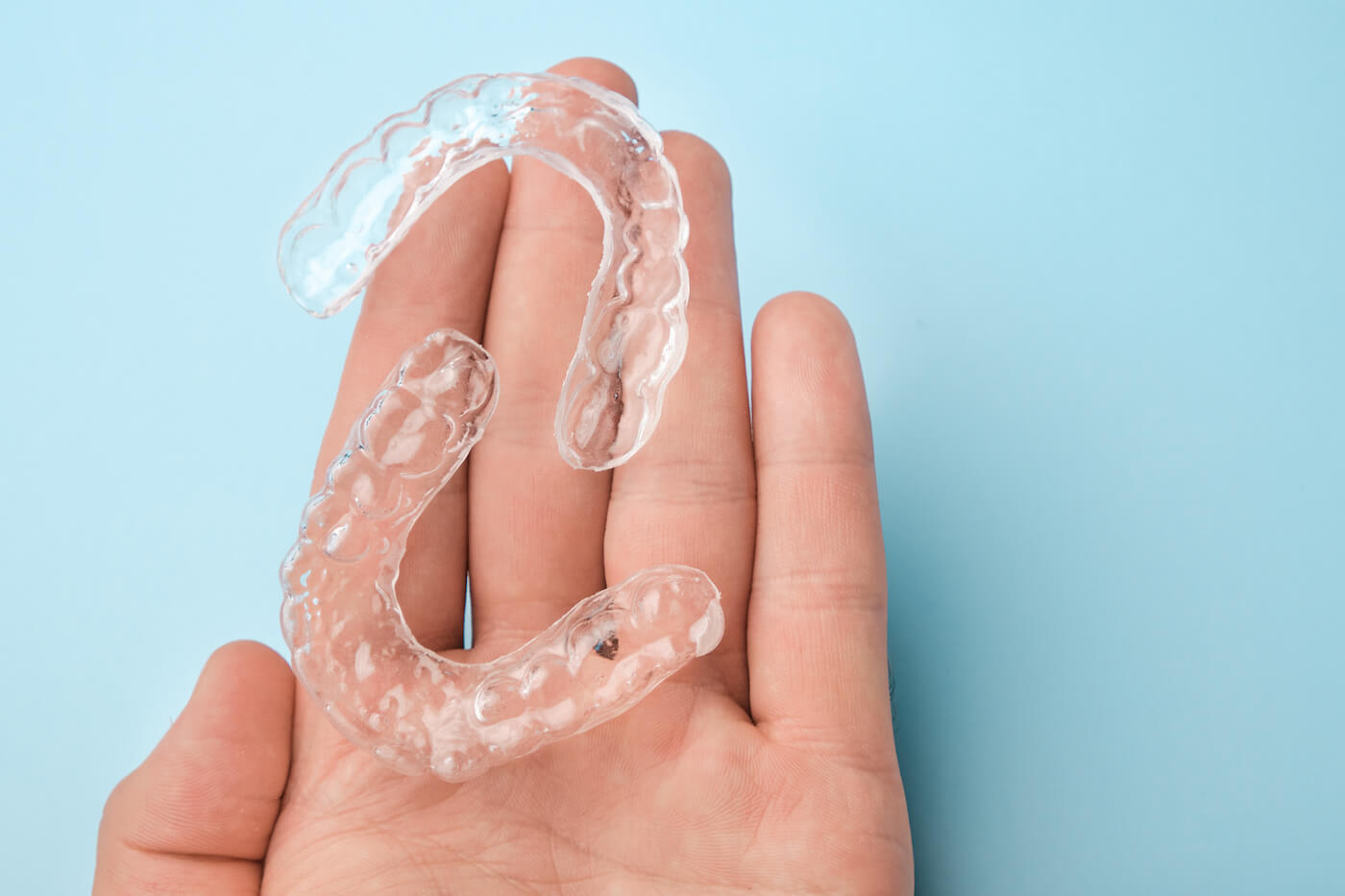
Clear aligners are custom-made, removable trays that gently shift your teeth into place over time. They’re nearly invisible, which is a big part of why so many teens and adults love them.
How Do They Actually Straighten Your Teeth?
You’ll wear a series of trays, each one just a little different from the last. That small shift applies gentle, steady pressure to move specific teeth exactly where they need to go. Along the way, your orthodontist checks in at scheduled visits to make sure everything’s tracking the way it should.
Who’s a Good Fit for Clear Aligners?
Teens and adults with mild to moderate crowding, spacing, or bite concerns tend to be great candidates. If your case is more complex, braces might be the better route, and that’s something your orthodontist can help you sort out at your consultation.
So, How Long Does Treatment Usually Take?
Most patients fall somewhere in the 6 to 18 month range. Simpler cases wrap up faster. Cases that need more significant tooth movement take a bit longer.
Why Every Smile Is Different
Your bite, your bone support, your age, and how consistently you wear your trays all play a role. Two people with similar-looking smiles can end up on very different timelines once you look at the specifics of each case.
7 Factors That Affect Your Timeline
- How Severe the Misalignment Is
Minor gaps and crowding need fewer trays. Bigger rotations, wider spaces, or more crowding call for more steps and more time to move things safely. - Bite Issues That Need Correcting
Overbites, underbites, crossbites, and open bites involve more than moving a single tooth. They need coordinated movement across several teeth, which takes careful planning and a little extra time. - Your Age
Healthy teeth can move at pretty much any age. That said, adolescent and adult bone respond a bit differently to pressure, which can shift the timeline slightly. - Wearing Your Aligners 20 to 22 Hours a Day
This one’s on you, and it matters most. Skip too much wear time and your teeth simply won’t move on schedule. - Following Your Orthodontist’s Instructions
Switching trays on the right day, wearing elastics if you’re prescribed them, and showing up to your appointments: none of it’s complicated, but skipping any part adds weeks you didn’t plan on. - Missing or Delaying Appointments
These visits let your orthodontist catch small issues before they become bigger ones. - Your Overall Oral Health
Active decay or gum disease needs treatment first. Healthy gums and stable bone are what your teeth need to move safely.
How to Finish Faster (Without Cutting Corners)
Wear Your Aligners Consistently
Aim for 20 to 22 hours a day, every day. Take them out for meals and brushing, then pop them right back in.
Switch Trays on Schedule
Switching early doesn’t speed things up. It skips movement that was supposed to happen, and switching late just adds time. Stick to the plan your orthodontist gives you.
Keep Your Appointments
These check-ins catch what you can’t see on your own. Small refinements are much easier to handle when they’re caught early.
Keep Up Great Oral Hygiene
Brush thoroughly, floss daily, and clean your trays as directed. A cavity or gum issue mid-treatment can bring progress to a stop.
What Happens After Treatment?
Why Retainers Matter
Your teeth shift into their new positions early on, but the bone around them needs time to catch up. Retainers help everything settle into place for good.
Keeping Teeth From Drifting Back
Without a retainer, teeth drift. It happens slowly, but it happens. Wearing yours consistently is what makes your results last.
Clear Aligners vs. Braces: Which Is Faster?
Treatment Speed
It really comes down to your case. Mild to moderate misalignment often moves efficiently with clear aligners. More complex issues may do better with braces.
Comfort
Smooth plastic trays are generally gentler on your cheeks and lips than metal brackets and wires.
Appearance
Aligners are hard to spot when you’re wearing them, which makes them a great option if you’d rather keep treatment low-key.
Everyday Life
You can eat what you want, brush like normal, and floss without threading anything through a wire.
When Should You See an Orthodontist?
If you’re noticing crowding, spacing, teeth that seem to be shifting, or discomfort when you bite down, those are worth having looked at. A proper evaluation includes a clinical exam, digital imaging, and a conversation about your goals and timeline.
Final Thoughts
Your treatment timeline isn’t set the moment your first tray goes in. It plays out over months, shaped by your habits, your oral health, and how closely you follow your orthodontist’s guidance. The best next step is a consultation, so you can understand your case and get a real answer for your smile.
FAQ
Which Oakland orthodontist offers clear aligners?
Castro Valley Orthodontics offers clear aligners for patients throughout the Oakland area. Our team uses digital scans to build customized treatment plans designed for accurate, predictable movement.
Who provides clear aligners in Castro Valley?
Castro Valley Orthodontics designs aligner treatment around your bite, your alignment, and your overall oral health.
How much do clear aligners cost in Castro Valley?
Cost varies from patient to patient, since it depends on the complexity of your case and the length of your treatment. A consultation is the best way to get a real number.
Are clear aligners available in Fairview?
Yes. Patients in Fairview can get clear aligners at Castro Valley Orthodontics. Come in for a full evaluation and we’ll build a plan around your smile.
Which orthodontist near Lake Chabot offers clear aligners?
Castro Valley Orthodontics is a great local option near Lake Chabot, offering digital planning and consistent follow-up every step of the way.