
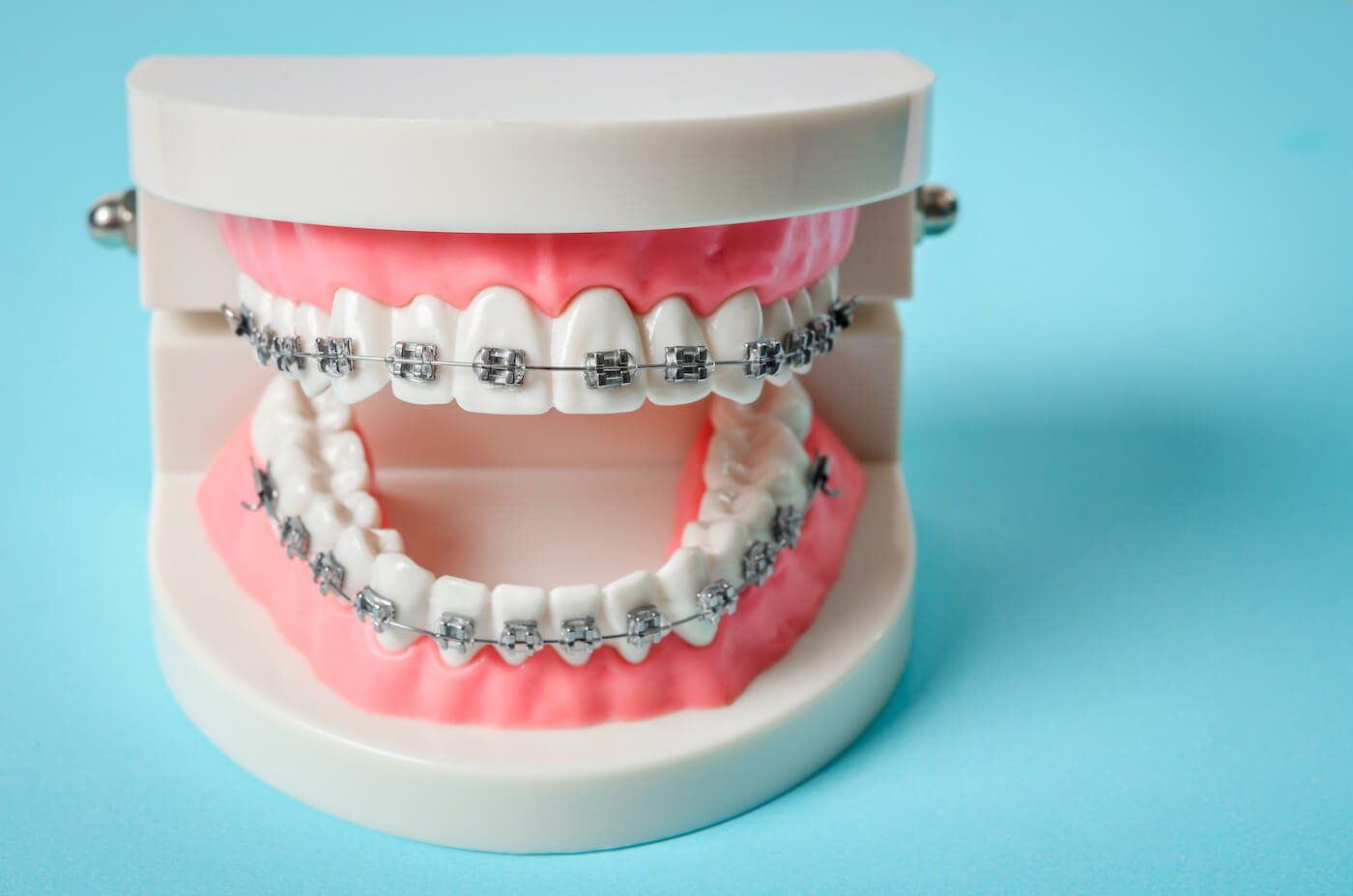
Walk into an orthodontic office today and you’ll find equipment that barely resembles what was standard even fifteen years ago. Brackets are smaller. Wires are more responsive. Digital planning tools let your orthodontist map out tooth movement before a single bracket is bonded.
Here’s what that means for your treatment.
Why Orthodontic Technology Keeps Getting Better
Materials science, digital imaging, and biomechanical research have all pushed the field forward. Today’s orthodontists aren’t only moving teeth. They’re doing it with a level of precision that simply wasn’t possible before.
Two Myths About Braces, Debunked
People still get two things wrong about braces: that they’re only for teenagers, and that treatment is going to hurt. Neither holds up. Adults make up a real share of orthodontic patients these days. And while some soreness after an adjustment is normal, modern systems are built to apply lighter, steadier forces than ever.
Why They’re More Comfortable Than You’d Expect
Nickel-titanium wires flex with your mouth instead of working against it. Rounded, lower-profile brackets mean less irritation for your cheeks and lips compared to older designs. And because treatment planning is more precise from day one, the adjustments themselves tend to feel gentler too.
How Modern Braces Help You Move Faster
The brackets bonded to your teeth today are more compact and better polished than older designs. Digital scans have replaced messy impression trays, so your orthodontist can see a 3D model of your smile before treatment even begins.
Today’s archwires deliver steady, calibrated force across your whole arch, guiding your teeth more evenly. Plus, more efficient appliances mean less tweaking along the way. When you come in for regular visits, checking your progress often takes a fraction of the time it used to.
Types of Modern Braces
Traditional Metal Braces
Metal braces handle everything from straightforward crowding to complex bite issues, with a track record other systems still get measured against. They’re durable, budget-friendly, and a great fit for nearly any age.
Ceramic Braces
Ceramic brackets are designed to match the natural color of your enamel, so they’re much less noticeable at conversational distance. They work exactly the same way mechanically.
Clear Braces
Clear braces use translucent materials to keep your treatment as low-key as possible without giving up the control that fixed braces provide.
Which Option Is Right for You?
It comes down to your bite, your alignment, your oral health, and what matters most to you cosmetically. Your orthodontist will walk you through it and recommend the best fit.
What Modern Braces Can Fix
Crooked Teeth
Repositioned gradually and predictably, improving both how your smile looks and how easy your teeth are to clean.
Bite Correction
Overbites, underbites, crossbites, and open bites affect how you chew, how you speak, and how much stress your jaw takes on over time.
Teeth Alignment
A balanced bite spreads out chewing forces more evenly, which reduces wear on any one tooth and supports your long-term dental health.
Malocclusion
Modern braces address most forms of malocclusion effectively, helping prevent the uneven wear that leads to bigger problems down the road.
Crowding and Spacing
Whether your teeth are overlapping or the gaps between them are wider than they should be, braces bring your arch into a healthier, more functional position.
What Makes Modern Braces So Comfortable?
Gentle, Steady Pressure
The biomechanics have become lighter, applying continuous force that shifts teeth more efficiently.
A Plan Built Around You
Treatment mapped to your specific anatomy moves teeth more efficiently. Less guesswork means less time in treatment overall.
Fewer Emergency Visits
Stronger bracket adhesives and better wire materials have cut down significantly on broken brackets and popped wires, which means fewer surprise trips to the office.
Easier to Maintain
Braces still call for diligent cleaning, but design improvements make brushing and flossing a lot more manageable than they used to be.
Braces or Clear Aligners: Which Is Right for You?
Significant rotations, vertical bite problems, and severe crowding generally respond better to fixed appliances. Braces give your orthodontist continuous control over tooth position in three dimensions.
If you have mild to moderate alignment concerns and can commit to wearing them consistently, aligners work well and come with some real lifestyle perks.
A proper evaluation, including a clinical exam, digital imaging, and bite analysis, is how you and your orthodontist land on the right choice.
What to Expect on Your Braces Journey
Your Initial Consultation
Your orthodontist examines your teeth, evaluates your bite, and reviews your overall oral health.
Digital Treatment Planning
Imaging data helps build a personalized picture of how your teeth are expected to move, and over what timeframe.
Regular Adjustment Visits
These appointments let your orthodontist fine-tune your treatment as you go.
Life After Braces
Retainers come next. They hold your teeth in their new positions and protect the results you worked for.
Tips for a Comfortable Braces Experience
What to Eat the First Week
Your teeth will feel tender for a few days after bonding. Stick to soft foods like yogurt, eggs, pasta, mashed potatoes, soup, or smoothies.
Oral Hygiene
Brush after every meal and floss daily with an orthodontic flosser or water flosser.
Managing Mild Soreness
If bracket edges bother you, cold water, orthodontic wax, and over-the-counter pain medication can help.
Protecting Your Braces During Sports
A properly fitted mouthguard is a must for contact sports.
Why Choosing an Experienced Orthodontist Matters
Personalized Planning
A plan built around the specifics of your bite produces results that actually hold up.
Advanced Technology
Modern diagnostic tools help your orthodontist see clearly and stay precise throughout your treatment.
Long-Term Stability
The goal isn’t only straighter teeth. It’s a bite that stays stable, functions well, and supports your oral health for years to come.
Ready to Begin Your Smile Transformation?
Braces today are a different experience than they were a generation ago. They’re more efficient, more comfortable, and more tailored to you. Book your consultation and let’s figure out the ideal approach for your smile goals.
FAQ
What’s the cost of braces near Lake Chabot?
Cost depends on a few things, like your case’s complexity, treatment timeline, and the type of braces you choose. A consultation is the best first step toward an accurate estimate.
What’s the cost of braces in Oakland?
No two cases are exactly alike, which is why cost varies from patient to patient. Your orthodontist can review your case and give you a clear picture of what to expect.
What types of braces are available in Hayward?
Patients in Hayward can choose from traditional metal braces, ceramic braces, and other aesthetic options at Castro Valley Orthodontics.
What are the benefits of braces in Castro Valley?
Braces offer plenty of perks: improved tooth alignment, better bite function, and easier oral hygiene along the way.
Who offers affordable braces in Dublin?
Castro Valley Orthodontics offers affordable treatment for Dublin patients through flexible payment plans and financing. Come in and explore your options.